Reference: Centre for Studies in the Interpretation of Islam
In the name of Allāh, ar-Raḥmān (the most merciful), ar-Raḥīm (the bestower of mercy).
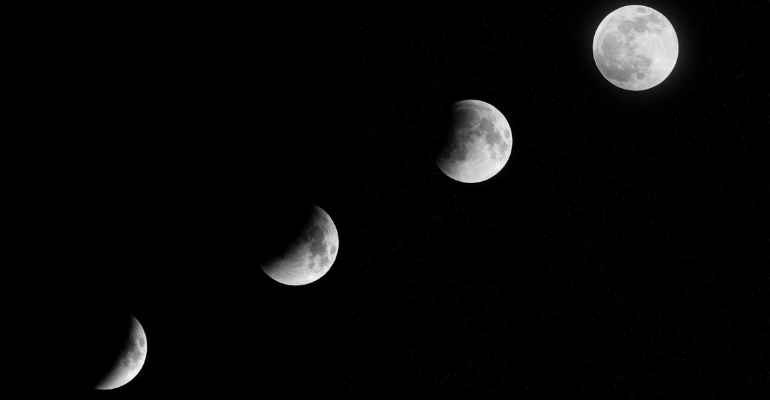
Every year, differences arise between Muslim countries regarding the beginning and end of the month of Ramaḍān.
Voices arise and articles are written condemning this difference, because it carries a “political” indication of the weakness and of the Muslims and disunity, therefore it becomes a “disaster”!
Without doubt, unifying the beginning and ending of Ramadan across all countries is good and desirable, especially given the availability of direct communication in this age.
In the earlier times, such differences were a normal and acceptable occurrence.
However, what must be pointed out is that this difference is purely religious, with no connection to politics or its agendas. In fact, it reflects the ease, tolerance, and suitability of this religion for every time and place:
{And He has not placed upon you in the religion any hardship} [22:78]
The scholar Ibn Bāz, rahimahullah, said: “The matter is broad and vast (i.e. the difference is acceptable), and each country has its own sighting.”
The issue of differing geographical observational points (matāliʿ) is well known. But the key part of his statement is: “The matter is broad and vast.”
Any person with a religious commitment should see this an example of the comprehensive nature and flexibility of the Sharīʿah, whereas a person moved by activism sees it as a “political disaster,” because, according to him, Islamic acts of worship are “symbols of worldly meanings” and are there as “tools for worldly dominance”.
Due to the frustration felt by such activists, they have turned to astronomical calculations, hoping to achieve the desired “unity” through its political symbolism.
In Europe, they attempted to impose this on Muslims through a branch of their international organization called the European Council for Fatwa and Research.
In reality, this will not achieve their objective, because they cannot subdue all Islamic centres in the West to their pressure. As a result, they have divided their word and caused discord among them in their religion.
Moreover, even those who rely on astronomical calculations differ among themselves, as occurred last year (2025/1446h).
As for this year, the Egyptian astronomer Muhammad Mukhtar Basha affirmed in his book “At-Tawfīqāt al-Ilhāmiyyah, printed in 1311h, that the first day of Ramadan in 1447 would be Wednesday.
And with Allah alone is success.
رمضان عبادة لا سياسة
المرجع: مركز دراسات تفسير الإسلام
في كل عام يحصل اختلاف بين الدول المسلمة في دخول الشهر وخروجه، فترتفع الأصوات وتكثر الكتابات في استنكار هذا الاختلاف لما فيه من دلالة “سياسية” على ضعف المسلمين وتفرقهم، لهذا يعدونه: “نكبة”!
ولا شك أن توحيد هذا الأمر بين جميع الدول أمر حسن مطلوب بسبب توفر وسائل الاتصال المباشر في هذا العصر، أما في العصور السابقة فقد كان الاختلاف واقعًا معتادًا.
لكن ما ينبغي التنبيه عليه هو أن هذا الاختلاف ديني محض، ليس له تعلق بالسياسة وأغراضها، وفيه مظهر من مظاهر يُسر هذا الدين وسماحته وصلاحه لكل زمان ومكان:
{وما جعل عليكم في الدين من حرج} الحج: ٧٨
قال العلامة ابن باز رحمه الله تعالى: “الأمر واسع، ولكل بلد رؤيته”.
ومسألة اختلاف المطالع معروفة، لكن الشاهد من كلامه “الأمر واسع” فالمتدين يرى ذلك من سعة الشريعة ومرونتها، والحركي يرى أن هذا “نكبة سياسية” لأن الشعائر الإسلامية – عنده – رموز لمعانٍ دنيويةٍ، وتستخدم للمغالبة على الدنيا.
وبسبب الإحباط الذي يشعر به الحركيون فزعوا إلى القول بالحساب الفلكي، لعلهم يحققون به “الوحدة” المنشودة برمزيتها السياسية، وحاولوا في أوروبا فرضه على المسلمين من خلال فرع تنظيمهم الدولي الذي يسمى “المجلس الأوروبي للإفتاء”.
والحقيقة أن هذا لا يحقق مقصودهم، لأنهم لن يستطيعوا إخضاع جميع المراكز الإسلامية في الغرب لإرهابهم، ففرقوا كلمتهم وفتنوهم في دينهم.
ولأن أصحاب الحساب الفلكي يختلفون أيضا، كما حصل في العام الماضي ١٤٤٦، أما هذه السنة فقد أثبت الفلكي المصري محمد مختار باشا في كتابه التوفيقات الإلهامية الذي طبعه عام ١٣١١ أن أول أيام رمضان ١٤٤٧ هو الأربعاء.
وبالله تعالى التوفيق.